
Labour is facing an increasingly intractable set of challenges
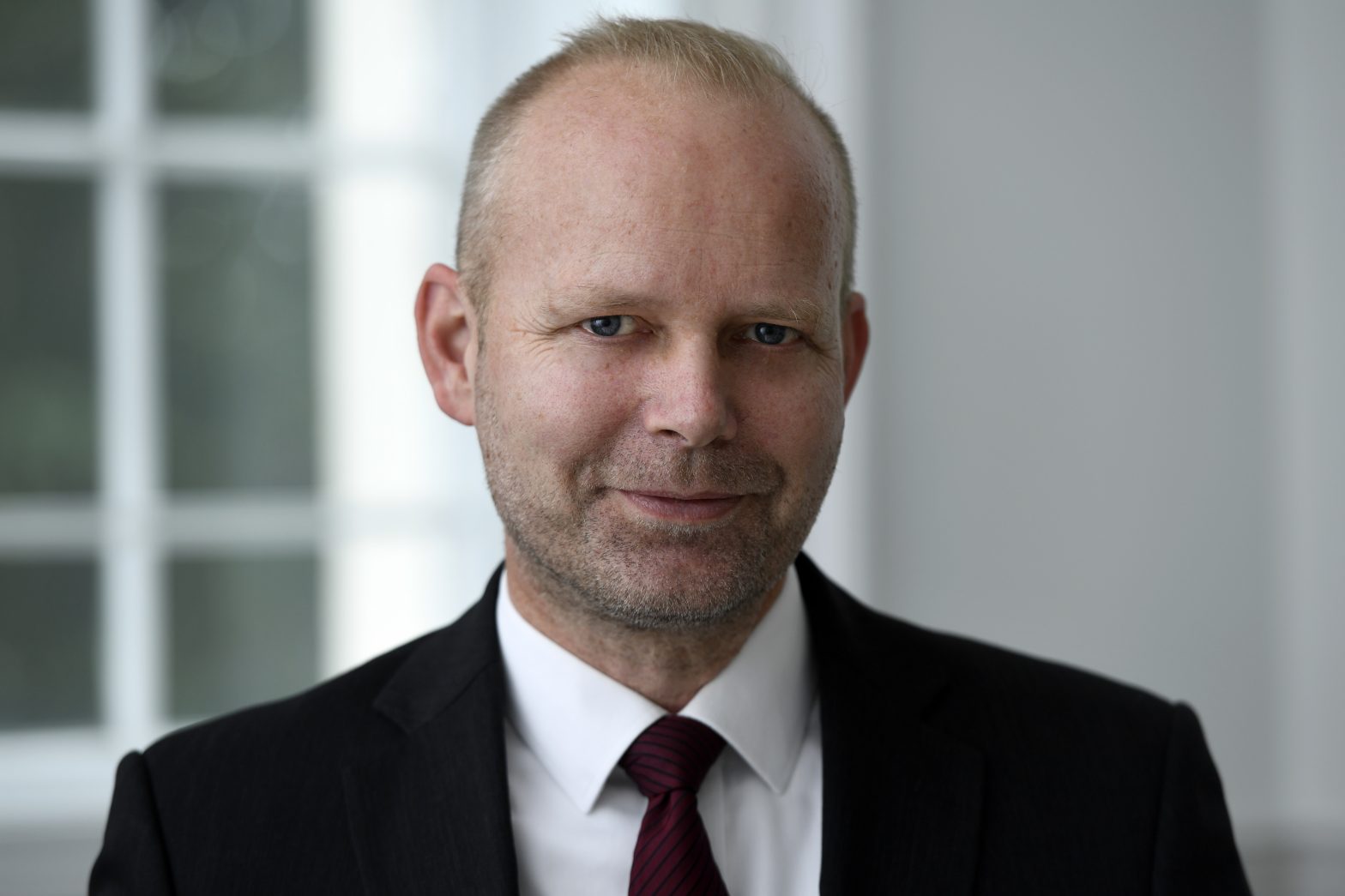
Paul Montague-Smith, senior counsel – public affairs at MRM considers the wide variety of issues facing the Labour Party, from immigration to a deteriorating economy and intractable tax decisions.
It was our relationship with Europe that caused a deep and hugely damaging rift in the Conservative party, which significantly shaped its political fortunes from the early 1990s through to the aftermath of the 2016 referendum. I’m beginning to wonder if immigration might become a similar issue for the Labour Party.
With record numbers of migrants still crossing the Channel in boats and divisive protests about where and how they are housed, the Government is under growing pressure to take more radical action. Highly respected former Labour Cabinet members Jack Straw and David Blunkett have called for the suspension of the European Convention on Human Rights to help tackle the issue.
Growing numbers in the party seem to accept that, at the very least, the convention needs to be changed to reflect the reality of modern migration. The Government, for its part, has rejected suspension or withdrawal of the EHCR and is focusing on incremental changes to tighten the system, such as around the ability of family members to join those granted asylum.
The growing debate and angst within the Labour party on this issue is being driven by the fact that immigration is now, according to recent polling, the most important issue facing the country as far as the public are concerned. 57% see it as the top issue, outstripping the economy on 51%, and then health on 30%. At the same time, on voting intention, Labour is polling at 20%, just ahead of the Conservatives on 18%. Scarily for both parties, Reform UK is holding the lead it’s had since April on 28%.
It therefore looks like Keir Starmer, much like Rishi Sunak before him, will be judged primarily on ‘stopping the boats’ and improving the economy. As it was for Sunak, the current omens aren’t looking good. Economic growth slowed in the three months to June. While we may outperform other G7 countries for the first half of this year, the average UK growth forecast for 2025 is 1.2% and 1.1% for 2026, the same as in 2024 and – Covid and the 2008 financial crisis aside – significantly lower than historical averages.
Those forecasts will also have to be revisited after the Autumn Budget, which looks set to be another very difficult and controversial one. Estimates on the public finance black hole facing the Chancellor have ranged from £30 billion to over £50 billion, well outstripping the £22bn hole Labour said they inherited at the last Budget, which according to the Chancellor was “needed to wipe the slate clean and to put our public finances on a firm trajectory.”
The Government’s U-turns on welfare reforms have shown it unwilling to drive through reductions in public spending. Unless it takes a significant step back on its £175bn investment plans for the Parliament, more tax rises are on their way.
Having hamstrung themselves by promising not to touch VAT, income tax or national insurance and to protect ‘working people’, it leaves unearned income (wealth/asset taxes) and higher or new taxes and levies on business. The first might drive our biggest taxpayers abroad, while the second will hit consumers and economic growth down the line.
A host of potential tax raising targets have been run up the proverbial flagpole during August, many of which were proposed by Treasury ministers and advisers when they were think tank policy wonks.
This time at least the Government aren’t going out of their way to say how painful it’s going to be, making people and markets even more nervous and gloomy than they might already be.
With the challenges they face some Labour backbenchers have been calling for more clarity about Labour’s vision, purpose and plans. They’ll be hoping that the party’s annual conference in Liverpool this month will be a platform through which they can set out a clear narrative that frames them as being in control rather than at the mercy of events.
The recently announced limited changes to the Treasury ministerial team and the appointment of a new role of Chief Secretary to the Prime Minister is tinkering and can’t be expected to make a big difference to how the Government operates or performs.
The state visit of President Trump this month ahead of the annual conference is likely to be a two-edged sword for the Prime Minister. On the one hand it’s hugely important that we have a preferential relationship with the United States, which the Prime Minister has done well to secure. It also enables the Prime Minister to remind the country of the significant trade deals with other countries that the Government has successfully negotiated.
But even with our US tariff deal there are still serious issues over tariffs on products containing steel and aluminium that need to be sorted out. And there’s no doubt that for many in the Labour party, it will stick in the craw for them to see a Labour Government welcome President Trump with what they will think is fawning pomp and ceremony.
So, it’s more tough times and choppy waters ahead for the Prime Minister and Chancellor. Plus ça change.
Perhaps there’s one consolation. While Keir Starmer’s net approval rating is at minus 44 – worse than Rishi Sunak’s at the end of his term – at least he’s not Ed Davey. After five years as leader of the Liberal Democrats and the third largest party in Parliament – and despite his election stunts to get attention, less than four in 10 people know who he is. But then, only six in 10 people who actually voted Liberal democrat at the last election can recognise him either.
I’ll leave you to work out what that says about how politically engaged we are as a country.